Solar Panels and Bidirectional EVs as Emergency Backup Power: What Actually Keeps the Lights On
Published on August 2, 2026
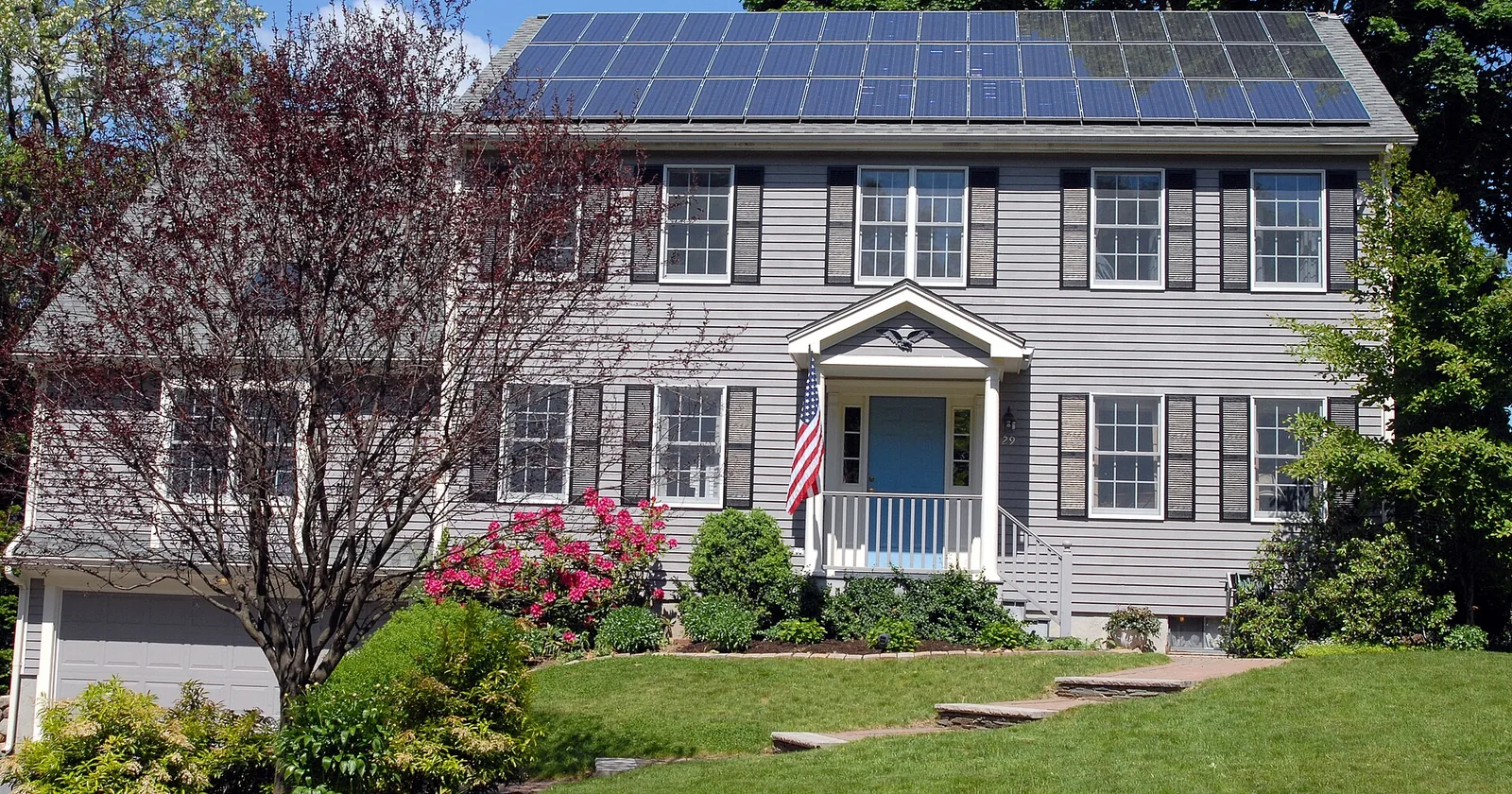
The pitch is genuinely appealing. You already have panels on the roof, or a truck in the driveway carrying a battery pack bigger than most home storage systems, and the neighborhood has now gone dark three times this year. It seems obvious that the energy sitting on your own property should be able to keep the refrigerator cold without anyone driving to the hardware store for a gas can at six in the morning.
It can. But not by default, and not without a licensed electrician opening your panel. The most expensive misunderstanding in residential solar is the assumption that panels on the roof mean power during an outage. For most grid-tied systems installed in the last twenty years, they do not, and the reason is a deliberate safety feature rather than a defect.
One rule sits above everything else here. Never improvise a connection between a generator, an EV, or a battery and your home’s wiring. Backfeeding a dryer outlet or a wall receptacle pushes voltage back out through your meter and onto lines that a utility crew believes are dead. That is how linemen are killed restoring service, and it is illegal in every US jurisdiction. Every piece of equipment described below exists to make that impossible.
Why Your Solar Panels Shut Off When the Grid Does
A conventional grid-tied solar inverter is required to stop producing power within about two seconds of losing the utility connection. The requirement is called anti-islanding, it appears in NEC 705.13 as the loss-of-primary-source rule, and it is enforced through the UL 1741 listing that every inverter you can legally install has to carry.
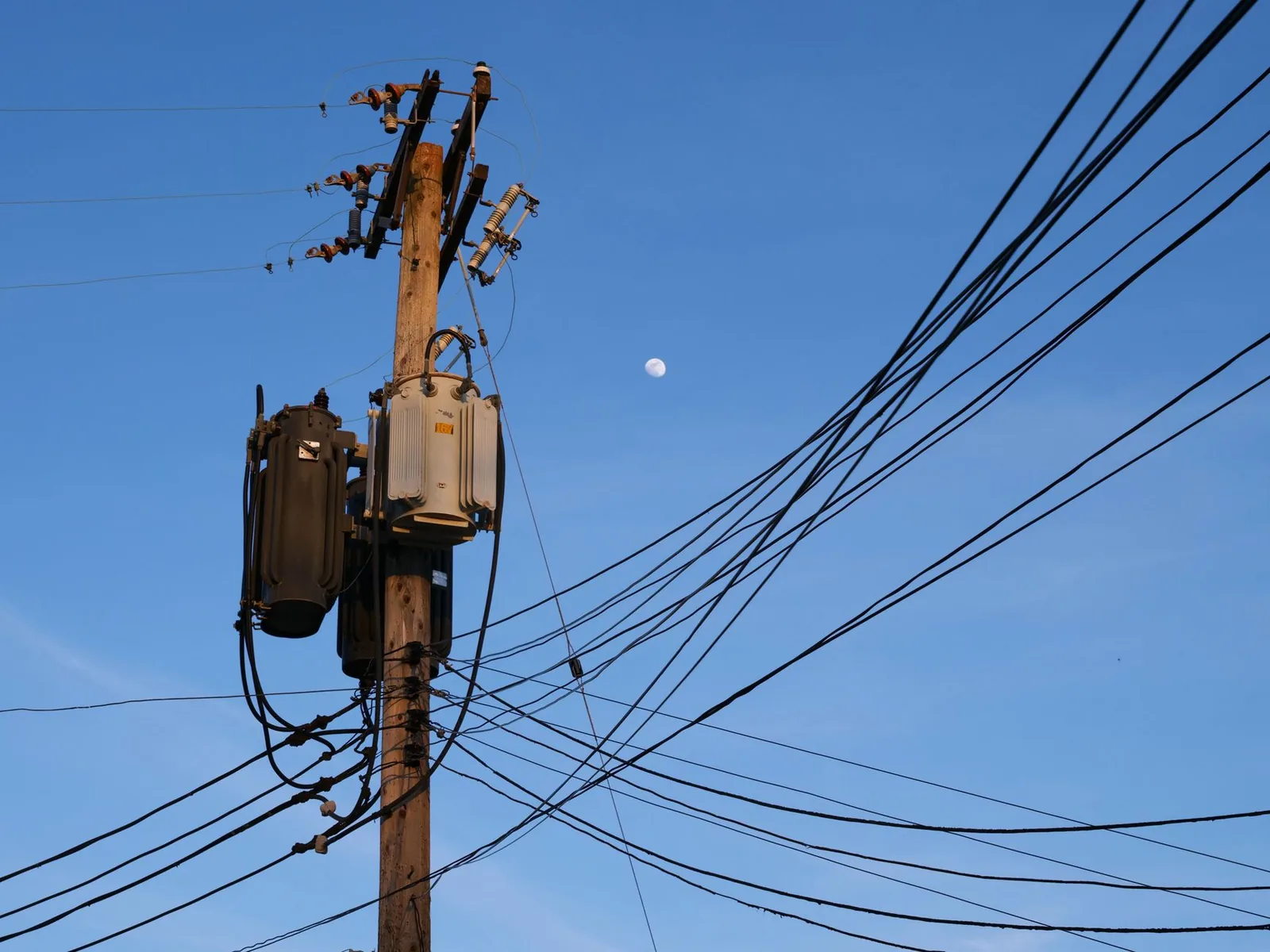
The logic is the same as the backfeed rule. If your array kept pushing current into the service conductors after the grid dropped, it would energize the transformer on the pole and, through it, the neighborhood lines. The inverter cannot tell the difference between a crew working on a downed span and a normal night, so it defaults to shutting down.
The practical result surprises a lot of homeowners: on a bright afternoon during a blackout, an ordinary grid-tied array sits there producing nothing at all. Solar without the right additional hardware is a utility bill reducer, not a backup system. If you are still weighing the whole field of options, our comparison of generators, batteries, solar, and bidirectional EVs puts each one side by side on cost and coverage.
The Hardware That Actually Turns Solar Into Backup
Making an array work during an outage means giving it a legal way to disconnect from the utility and run as its own small island. Three components do that job.
A hybrid inverter handles both the panels and a battery, and it is capable of intentional islanding, sometimes sold as backup mode or microgrid mode. Older string inverters usually cannot be upgraded into this role, which is why adding backup to an existing array often means replacing the inverter.
A microgrid interconnect device, the term NEC Article 705 uses, is the switch that physically separates your home from the grid before the system starts generating. It is what makes the island safe. Depending on the product it may be an automatic transfer switch, a backup gateway, or a function built into the hybrid inverter itself, and the code requires it to be clearly labeled.
A critical loads subpanel holds only the circuits you intend to back up. A battery that can deliver 5 kW cannot start a 5-ton air conditioner, so the electrician moves the fridge, a few lighting and outlet circuits, the furnace blower, and the well or sump pump into a smaller panel that the backup system feeds.
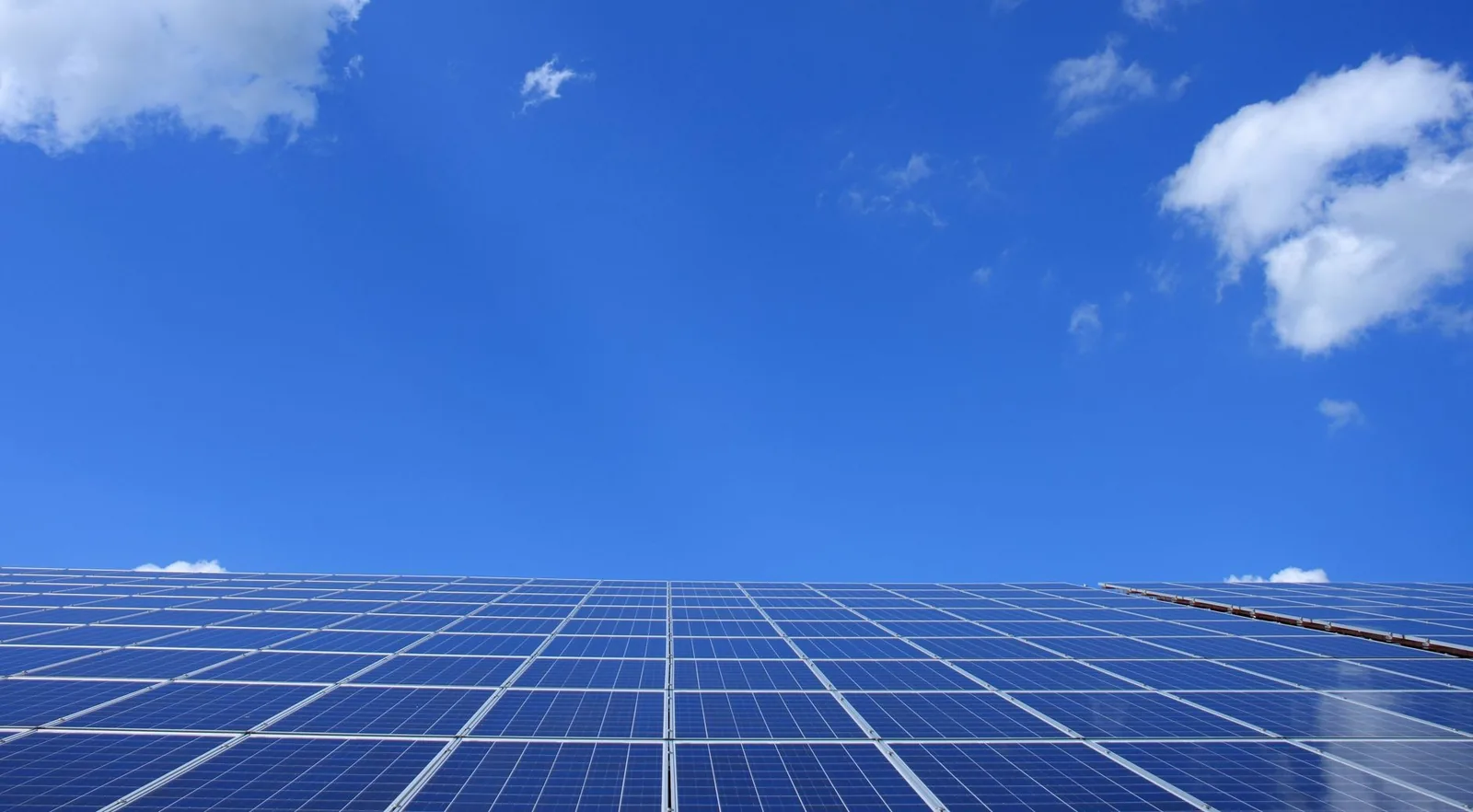
A battery is not optional in this arrangement. Panels alone produce a wildly variable output that follows passing clouds, and no inverter can hold a stable 240 volts against that. The battery is what smooths production into usable household power, and it is also what carries you through the night. Batteries connect one of two ways: DC-coupled systems run the panels and the battery through a single hybrid inverter and are marginally more efficient, while AC-coupled systems add a second inverter alongside the existing solar one and are easier to retrofit onto an array you already own.
The Three Levels of Bidirectional EV Power
Bidirectional charging means the same port that fills your car can also send energy back out. The industry splits it into three tiers, and the differences matter a great deal for backup planning.
Vehicle to load (V2L) is the simplest. The car provides ordinary receptacles, either built into the bed and cabin or through an adapter that plugs into the charge port, and you run appliances directly from them with extension cords. No installation, no permit, no electrician. It will keep a refrigerator, a few lamps, a router, and a phone charger going. Most vehicles cut the output off when the traction battery falls to roughly 15 or 20 percent so you still have range left to drive.
Vehicle to home (V2H) feeds your actual house wiring. It needs a dedicated bidirectional charger that converts the car’s DC output into household AC, plus the same islanding hardware a battery system uses. This is the tier that powers hardwired equipment: the furnace, the well pump, the ceiling lights, the circuits you cannot reach with a cord.
Vehicle to grid (V2G) goes one step further and sells energy back during peak demand. It is real but still thin on the ground in the US, gated behind utility programs, specific tariffs, and equipment approvals that vary enormously by territory. Treat it as a bonus, never as the reason to buy.
What V2H Hardware Actually Costs and Requires
The charger has to be matched to the vehicle, not just to your panel. Ford’s approach on the F-150 Lightning pairs the Charge Station Pro, an 80-amp unit that needs a 100-amp circuit of its own, with a separately installed Home Integration System containing the inverter and transfer equipment. Wallbox’s Quasar 2 takes a different path, exporting up to about 7.4 kW to the home over CHAdeMO, which as a connector standard is being retired in North America in favor of CCS and NACS. Tesla, GM, and several others have their own ecosystems with their own approved installers.
Budget roughly $5,000 to $9,000 installed in 2026 for the charger and the associated switchgear, on top of a vehicle you already own. That is meaningfully less than a comparable stationary home battery, and it is the main reason V2H is worth a serious look.
The catches are worth stating plainly. Compatibility is narrow and changes model year to model year, so confirm it with the manufacturer rather than a dealer’s sales sheet, and ask specifically about warranty implications for the traction battery. The charger you buy today may not work with the car you buy in five years. And a vehicle that you drove to work is a backup system parked in an office lot. Households with two cars, one of which usually stays home, get far more out of this than single-car households.
Sizing: The Fridge, the Medical Equipment, and the Router
Backup sizing has two numbers, and people usually think about only one. Power, in kilowatts, is how much you can run at any instant. Energy, in kilowatt-hours, is how long you can run it. A battery that satisfies one can easily fail the other.
For a genuine essentials load, a modern refrigerator, LED lighting, phone and laptop charging, a Wi-Fi router and modem, and a CPAP overnight, plan on roughly 4 to 8 kWh per day and a continuous draw well under 2 kW. A single 13 kWh home battery covers that for a day and a half with nothing else feeding it. Add solar and the number stops mattering, because every sunny morning refills what the night drained.
Medical equipment deserves its own line in the calculation, because it is the one load where running out is not an inconvenience. A CPAP is modest, around 30 to 60 watts while running. An oxygen concentrator is not: 350 to 600 watts continuously is 8 to 14 kWh over a full day, which alone can exceed an essentials budget. If someone in the house depends on powered equipment, size for that device first, tell your electrician it is a life-safety load, and register with your utility’s medical baseline or priority restoration program.
This is where EV batteries look startling. An extended-range electric truck carries well north of 100 kWh, roughly eight times a typical home battery module, which is why a fully charged one can carry an essentials load for several days and a larger pack close to a week. Whole-home backup, meaning central air conditioning, an electric range, and an electric water heater all still available, is a different project entirely: 8 to 18 kW of continuous capability, usually multiple stacked batteries, and a cost that lands near a standby generator.
Permits, Interconnection, and Why This Is Not Optional
Every one of these installations is permitted work. The electrician pulls a permit, installs to NEC Article 705 for the interconnection and Article 706 for the energy storage, labels the microgrid interconnect device and the disconnects, and schedules an inspection. Systems capable of exporting to the grid also need an interconnection agreement filed with your utility before commissioning, and utilities do enforce this.
Skipping the permit is not a shortcut, it is a trap. Unpermitted energy storage and interconnection work is a standard finding at resale, insurers deny fire claims traced to it, and an incorrectly configured transfer point can energize utility conductors during an outage. Verify that whoever quotes the job holds a current electrical license and carries insurance, and ask whether they have commissioned this specific equipment before, because bidirectional charging is new enough that plenty of good electricians have not. Our questions to ask before hiring covers the vetting conversation, and our breakdown of typical electrician costs sets expectations for the labor side of the quote.
The Risks Specific to This Setup
Solar and EV backup avoid the hazard that kills the most people after storms. There is no engine, no exhaust, and no carbon monoxide, which removes the risk detailed in our guide to generator CO poisoning. That is a genuine advantage and worth weighing heavily.
The remaining risks are different rather than absent. Improper isolation from the grid is the serious one, and it is entirely a function of installation quality. Overloading a V2L outlet by daisy-chaining power strips is the everyday one, and it burns cords the same way any overloaded circuit does. Running an extension cord from a car through a partly open door or window in a storm invites water intrusion and pinch damage. And treating an EV as your only backup means accepting that the backup drives away every weekday morning.
Storm season adds one more item: your panels and roof-mounted equipment need to be inspected after high winds before the system is put back into service, which is part of the wider readiness checklist in our hurricane and severe storm electrical preparedness guide.
The Bottom Line
Rooftop solar and a bidirectional EV can absolutely keep a house running through a multi-day outage, and they do it silently, with no fuel to store and no exhaust to vent. What they cannot do is any of it accidentally. The equipment that makes the difference is a hybrid inverter that can island, a microgrid interconnect device that separates you from the grid, a critical loads subpanel that matches your real demand, and for V2H, a bidirectional charger matched to your specific vehicle.
Start by adding up what you actually need to keep running, put any medical equipment at the top of that list, and get two quotes from licensed electricians who have commissioned this class of equipment before. Then pull the permit. The system that keeps you safe during the outage is the one that was inspected before it.
Further reading (sources)
- Consumer NZ on how an EV and rooftop solar can keep the power on during an emergency
- Florida Solar Design Group for what the code means by a microgrid interconnect device
- US Department of Energy with the homeowner’s primer on going solar and adding storage
- Ford explaining what its home backup power system needs to work
- Wallbox covering the export limits of a residential bidirectional charger
- Clean Energy Reviews for how today’s bidirectional chargers compare on connectors and output
Feature photo by Gray Watson User:E090, CC BY-SA 3.0, via Wikimedia Commons.