Home Backup Power Buyer's Guide: Comparing Generators, Batteries, Solar, and Bidirectional EVs
Published on May 25, 2026
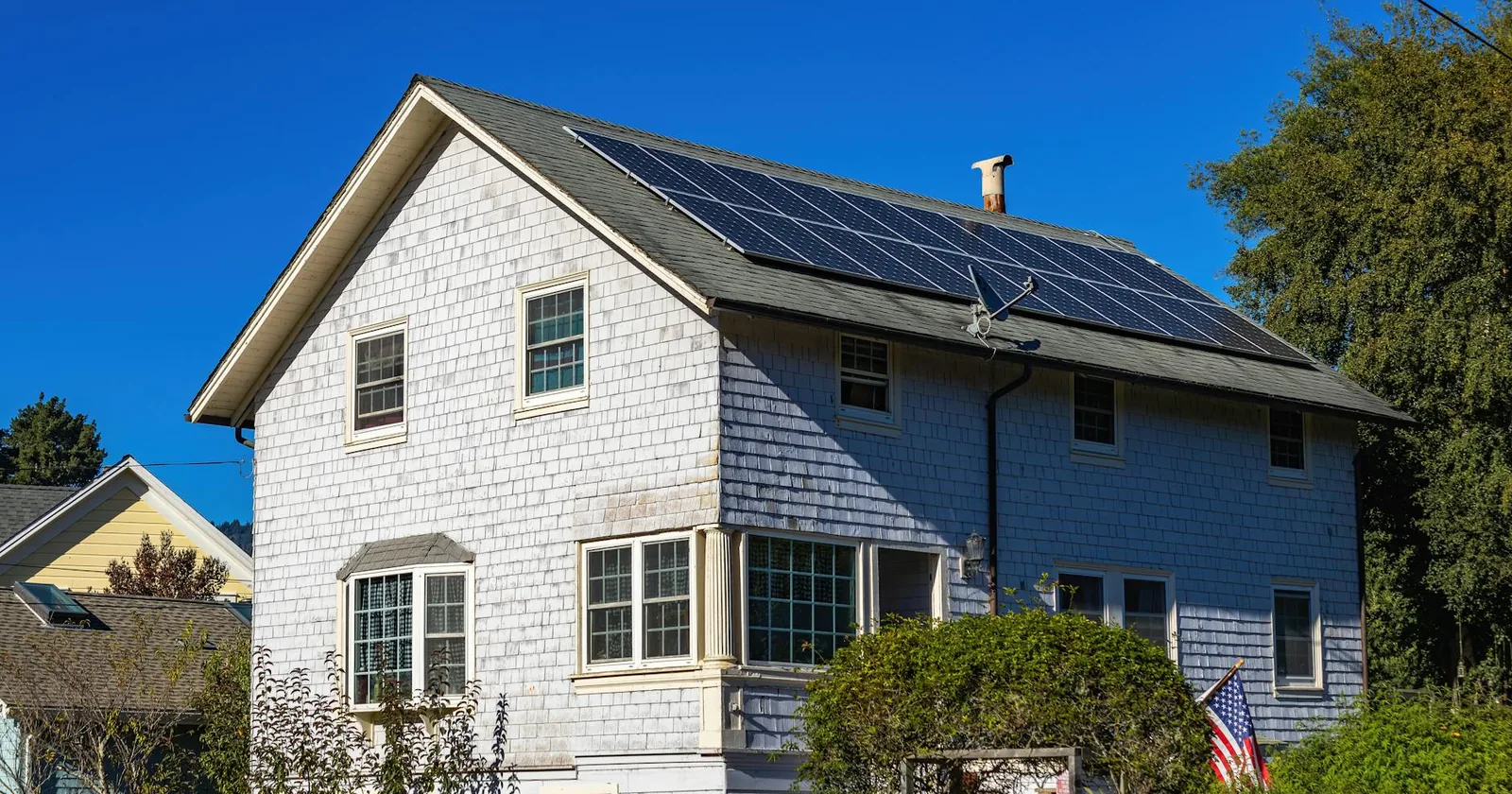
The American grid is not getting more reliable. Storm seasons keep lengthening, wildfire shutoffs are now a routine summer event in the western states, and aging utility infrastructure is producing more frequent multi-day outages. At the same time, the menu of backup power options for a single-family home has exploded. A decade ago, the choice was a portable gas generator or a standby unit on a concrete pad. In 2026, a homeowner is comparing dual-fuel inverter generators, lithium portable power stations, AC and DC coupled home batteries, solar plus storage systems, and bidirectional EVs that can feed the house from a parked truck. Each path has a different sweet spot, a different install cost, and a different licensed electrician scope of work attached to it.
This guide walks through every realistic option, what it can actually power, and the questions to settle before you spend anything. Lead with safety: backup power that is improperly installed can kill a utility lineman, poison a household with carbon monoxide, or start a fire inside a wall. Every option below has a section on the professional work it requires.
Step One: Decide What You Want to Keep Running
Before comparing brands or technologies, define the load. Backup power systems are sized in watts, and the wattage you need depends entirely on what you intend to power. Three tiers cover most homes.
Fridge-only or essentials. A refrigerator, a few LED lights, phone and laptop charging, a Wi-Fi router, and maybe a CPAP machine. Running load is roughly 300 to 800 watts, with brief surges to about 1,500 watts when the fridge compressor kicks on. This is the easiest tier to cover and the cheapest to build.
Critical loads. Everything above plus a furnace blower (or a window AC), a microwave, a well pump if you have one, and a sump pump in flood-prone areas. Running load climbs to 3,000 to 5,000 watts with starting surges that can briefly hit 7,000 to 8,000. Most homeowners settle here because it covers comfort and safety without the cost of a whole-home system.
Whole-home. Central AC, electric range, electric water heater, EV charging at reduced rate, and every outlet in the house. Running load typically lands between 8,000 and 18,000 watts depending on whether the home is gas or all-electric. This tier is dominated by standby generators and large solar plus battery systems.
A Consumer Reports sizing worksheet is the standard reference for adding up your specific load list. Once you know the number, every product comparison becomes easier.
Portable Gas and Dual-Fuel Generators
A portable inverter generator in the 2,000 to 4,000 watt range remains the entry-level option for backup power. Modern units are quieter than older open-frame models, run on gasoline or propane (the dual-fuel variants), and cost roughly $500 to $1,800. They are the right tool for fridge-only and light critical-loads coverage during outages that last hours to a couple of days.
The trade-offs are real. Gasoline storage is limited in most homes for fire-code reasons, and the fuel itself goes bad inside six months without a stabilizer. Carbon monoxide is the leading cause of generator deaths every storm season. A portable unit must run outdoors, at least 20 feet from any window or vent, with the exhaust pointed away from the house. Never run one in an attached garage, even with the door open.
For feeding household circuits rather than running extension cords through a window, the unit needs to be connected through an interlock kit or a manual transfer switch installed by a licensed electrician. Backfeeding a wall outlet is illegal in most jurisdictions and can electrocute a lineman working to restore service. Expect to pay $800 to $2,500 for a code-compliant interlock or transfer switch installation depending on panel and labor.
Whole-House Standby Generators
A standby (also called automatic) generator is a permanent installation that lives outside on a concrete pad, runs on natural gas or large propane tanks, and starts itself within seconds of an outage through an automatic transfer switch. Units sized for whole-home coverage are typically 18 to 26 kilowatts.
The advantage is that the homeowner does nothing during an outage. The system tests itself weekly, kicks in automatically, and can run for days or weeks on a natural gas service that does not require refueling. For homes that lose power often, that hands-off behavior is the whole pitch.
The cost is the catch. Installed prices for a whole-home standby generator land between $8,000 and $20,000 in 2026, with the higher end common in jurisdictions that require a deeper gas line, a larger pad, and a more involved electrical inspection. The work is firmly in licensed electrician (and often licensed gas fitter) territory: a permitted automatic transfer switch tied to the main panel, a dedicated gas run sized for the generator’s BTU demand, and a final inspection before utility tie-in. If you are weighing whether the work warrants the premium of an after-hours specialist, our breakdown of emergency electrician charges in the United States frames what to expect.
Portable Power Stations
Lithium portable power stations have matured significantly. A modern 1,500 to 3,600 watt-hour unit with a 1,800 to 3,000 watt continuous output can keep a fridge, a router, and a few outlets running through an outage of 8 to 24 hours, depending on the load. They are silent, indoor-safe, and recharge from wall power, solar panels, or a vehicle.
For apartments, townhomes, or homes where a generator is impractical (noise rules, no outdoor space, no gas line), a power station is often the most realistic option. Costs run roughly $1,000 to $3,500 for the capacities that genuinely cover a long outage. Many models stack with expansion batteries, letting you start small and add capacity later.
The limitation is duration. Without solar input, a power station drains and stops. For a 48-hour outage with a fridge and a few essentials, plan on at least 3,000 watt-hours of total capacity. Above that, you are usually better served stepping into a fixed home battery.
Home Battery Systems and Solar Plus Storage
A home battery is a wall-mounted or floor-standing lithium unit, typically 10 to 16 kilowatt-hours per module, wired into your electrical panel through a hybrid inverter and a critical loads subpanel. Pricing has come down: a single 10 kWh module with installation generally lands between $10,000 and $15,000 after federal tax credit in 2026, with stacked multi-module systems running $25,000 to $50,000.
Batteries can be AC-coupled (a separate inverter sits next to an existing solar inverter) or DC-coupled (a single hybrid inverter handles both the panels and the battery). DC-coupled systems are slightly more efficient and cleaner to wire from scratch; AC-coupled systems are easier to add to an existing solar array. Either way, the licensed electrician’s job is the same: install the hybrid or battery inverter, build the critical loads subpanel that the battery actually backs up, run the disconnects and grounding, and coordinate the interconnection agreement with the utility.
Pairing the battery with rooftop solar is what turns a backup system into an outage-proof one. A battery alone discharges within a day or two of normal use; solar refills it every sunny morning. The combined system is the only option on this list that, with enough panel area, can keep an all-electric home running indefinitely.
Bidirectional EVs (V2H and V2L)
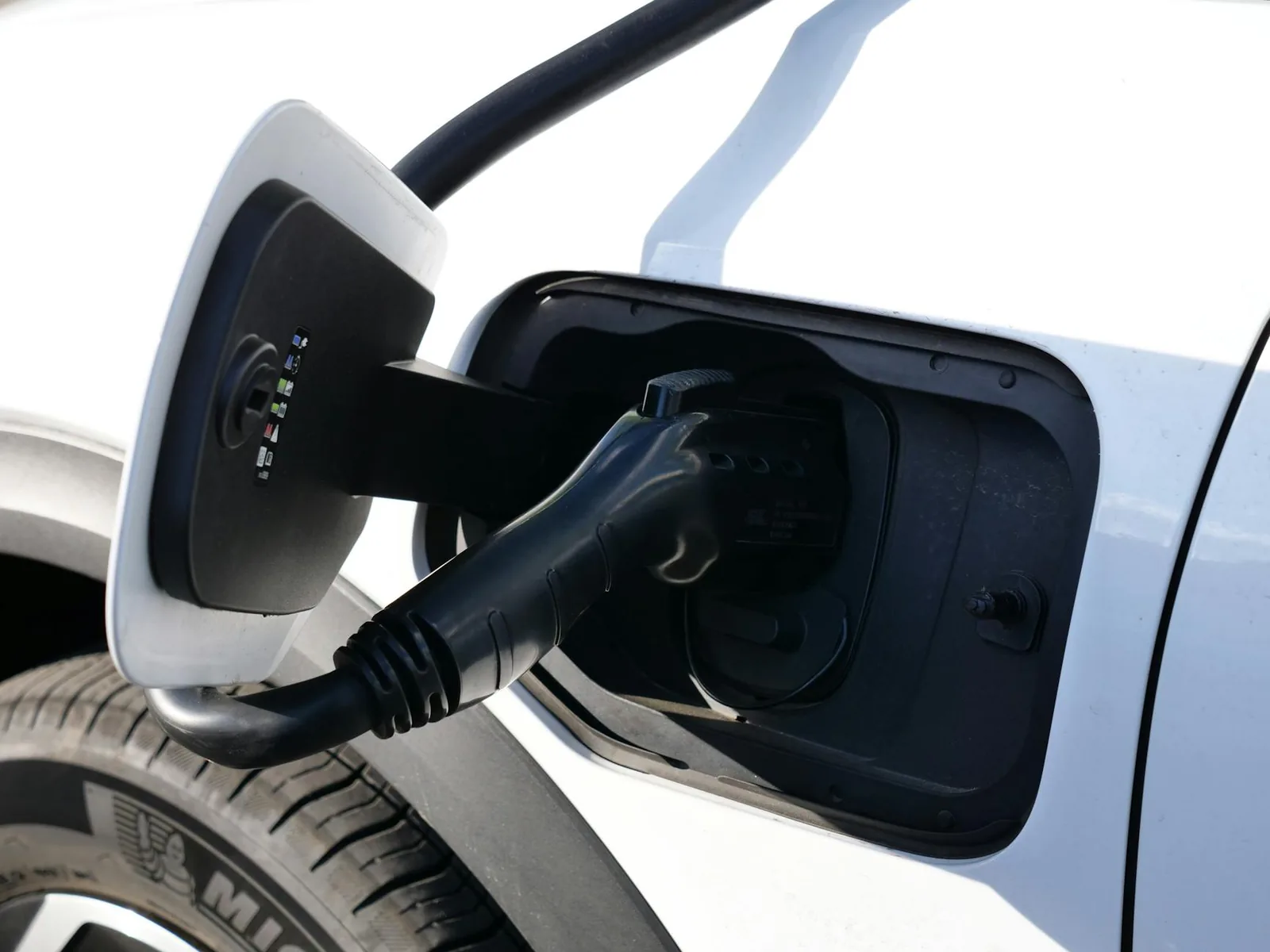
The newest entry in the backup market is the bidirectional electric vehicle. A handful of 2025 and 2026 EVs (the Ford F-150 Lightning, the Kia EV9, the Hyundai Ioniq 5, the Chevy Silverado EV, and a growing list of others) support vehicle-to-home (V2H) or vehicle-to-load (V2L) operation. With the right enabling kit, a parked EV becomes a 9 to 19 kWh rolling battery (or much more, in the case of full-size trucks) that can feed the house through a dedicated bidirectional charger and transfer switch.
A Consumer NZ study found that a single fully charged EV can power an essentials load for two to four days, and a larger truck battery can stretch a week. For homeowners who already own a compatible EV, the marginal cost of adding V2H capability is the bidirectional charger and install, generally $5,000 to $9,000 in 2026, which is meaningfully cheaper than a comparable home battery.
The catches: only specific EV models support it today, the bidirectional charger has to be matched to the vehicle, and any EV away from home (because you drove it to work) is not available to back up the house. For a household with two cars where one stays parked during outages, the math works well.
Transfer Switches, Critical Loads Panels, and the Electrician’s Scope
Almost every option above requires a licensed electrician’s hands on the panel. The specific piece of equipment changes, but the role does not.
Manual transfer switch or interlock kit for portable generators. Roughly $800 to $2,500 installed. Lets you select which circuits to feed from the generator without backfeeding the utility.
Automatic transfer switch for standby generators and most battery systems. Roughly $2,000 to $5,000 installed when not bundled with the equipment. Detects an outage and switches loads to the backup source within seconds.
Critical loads subpanel for batteries and solar plus storage. Roughly $1,500 to $4,000 to install. A separate small panel that holds only the circuits you want backed up, fed by the battery during outages.
Interconnection agreement for any system that can export to the grid. Filed by the electrician with your utility. Required for solar plus storage and for grid-tied bidirectional EV setups.
This is not DIY territory. Beyond the obvious shock risk, an improperly wired transfer switch can energize utility lines during an outage and kill someone. Before you sign with any installer, run through the basic questions every homeowner should ask before hiring an emergency electrician, and verify their license and insurance with your state board. For storm-prone regions specifically, our hurricane and severe storm electrical preparedness guide covers the seasonal prep that pairs with any backup install.
The Bottom Line
There is no single best backup system, only a best one for your home, your loads, and your local outage profile. A portable inverter generator plus an interlock kit is the cheapest credible option for short outages and essential loads. A standby generator is the choice when reliability matters more than budget. A portable power station fits households where a generator cannot live outside. A home battery (especially paired with solar) is the only path to true indefinite resilience. And a bidirectional EV is suddenly the smartest dollar-per-watt option for homeowners who already drive a compatible vehicle. Size your loads first, get at least two quotes from licensed electricians, and pull a permit. The system that keeps you safe is the one that was installed correctly, not the one with the biggest watt rating on the box.
Further reading (sources)
- Consumer Reports on choosing between a portable and a standby generator
- Consumer Reports for a sizing worksheet that adds your specific loads in watts
- The New York Times Wirecutter with its 2026 picks for portable generators
- The New York Times Wirecutter on the portable power stations worth buying this year
- National Fire Protection Association on maintaining emergency power supply systems before storm season
- Consumer NZ with how solar panels and electric vehicles keep a home running during an emergency
- Electrical Safety Foundation International on outlet and circuit basics behind a backup power hookup