Top 5 Questions to Ask Before Hiring an Emergency Electrician
Published on February 1, 2025
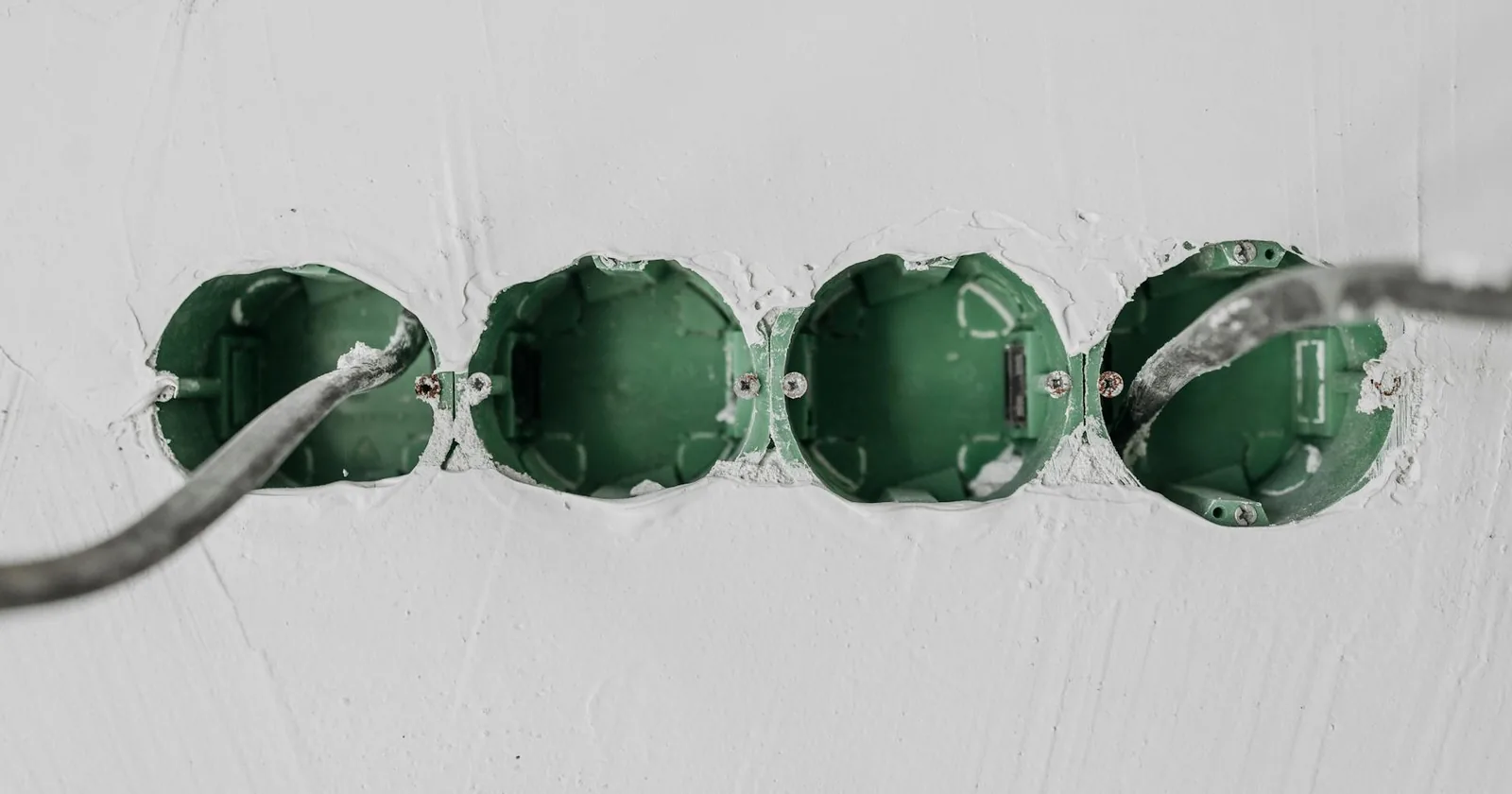
When an electrical emergency strikes (sparking outlets, a burning smell behind the walls, or a sudden total power outage), the urgency of the moment can push homeowners to hire the first electrician who answers the phone. That impulse is understandable, but rushing into a decision without asking the right questions can lead to inflated bills, shoddy repairs, or even greater safety hazards down the road.
Taking just a few minutes to vet an emergency electrician before giving them the green light can save you money, protect your property, and ensure the job is done correctly the first time. Here are five essential questions every homeowner should ask before hiring an emergency electrician.
1. Ask if they are Licensed and Insured?
This should always be the very first question out of your mouth. A current license serves as proof that a given electrician has undergone formal training, successfully passed the relevant state or municipal exams, and is fully compliant with the electrical codes that govern work in your area. Licensing standards vary by state, but generally fall into two tiers: journeyman electricians, who are licensed for installation work, and master electricians, who can handle both design and installation of electrical systems.
Insurance is equally critical. Electrical work carries inherent risk, and a responsible contractor should carry both liability insurance and workers’ compensation coverage. Industry sources recommend looking for at least $500,000 in liability coverage. If an unlicensed or uninsured electrician harms your property or suffers an injury while on site, you could be left financially responsible. Never accept a verbal assurance. Request copies of their documentation and verify it independently.
2. How Quickly Can You Respond?
The defining feature of an emergency electrician is speed. Unlike a regular electrician who schedules appointments during standard business hours, an emergency electrician should be available around the clock, including nights, weekends, and holidays. When you call, ask how quickly they can arrive at your location.
Most reputable emergency electricians aim to arrive within 30 minutes to two hours depending on your location and time of day. If the person on the phone cannot provide a clear timeframe, or if they suggest scheduling for the next business day, you may want to keep calling. In a genuine electrical emergency, a delayed response can mean the difference between a minor repair and a house fire. Ask whether their quoted response time is a guarantee or just an estimate, and clarify whether weekends and holidays affect their availability.
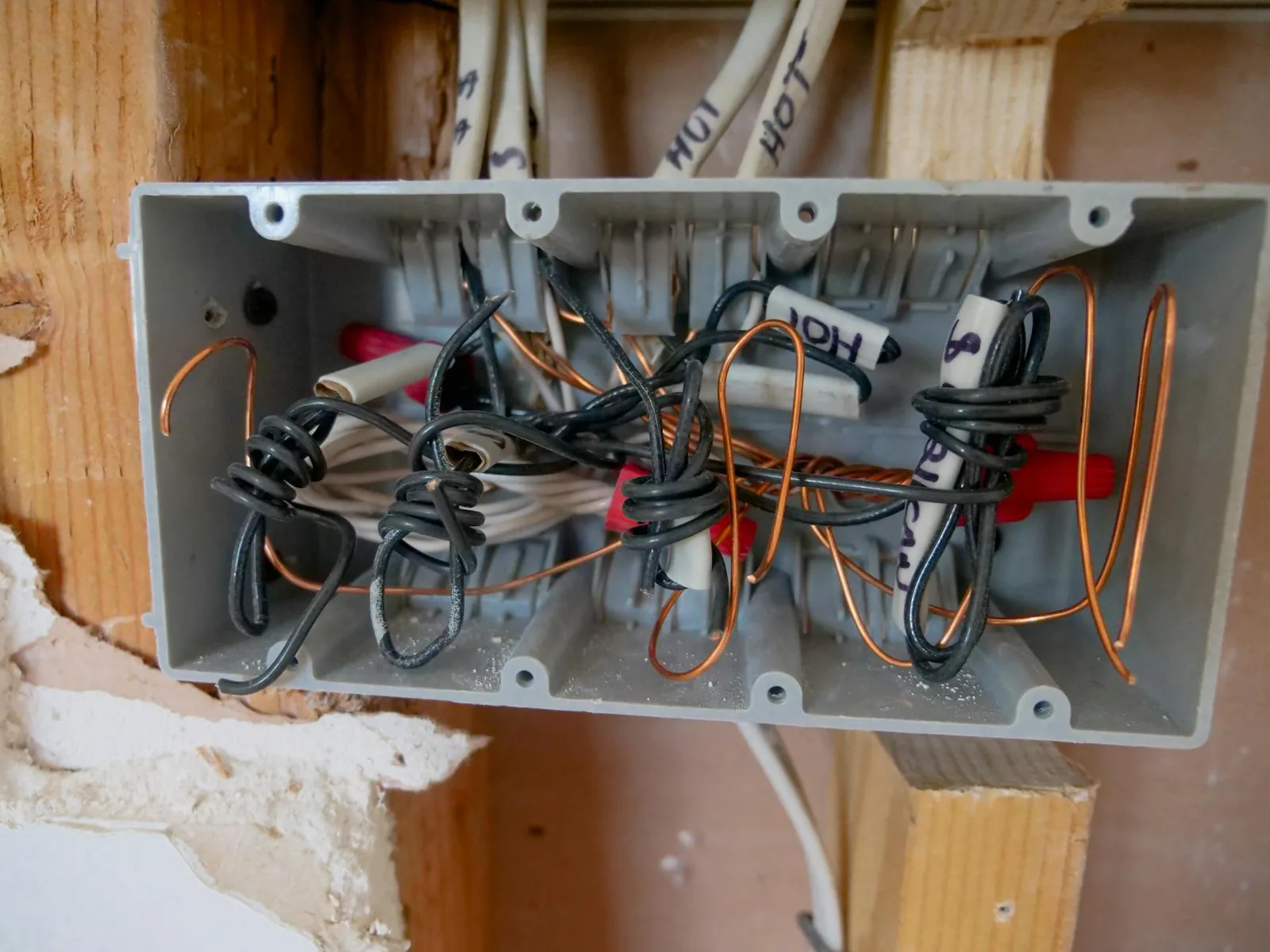
3. Will You Give an Upfront Cost Estimate?
Emergency electrical work almost always costs more than standard service, so understanding the pricing structure before the electrician arrives is essential. Ask whether they charge a flat diagnostic fee, an hourly rate, or a combination of both. Many emergency electricians use a model that includes a call-out or trip charge (typically ranging from $100 to $200) plus a premium hourly rate for the actual labor.
Request a ballpark estimate based on your description of the problem, and ask what happens if additional issues are discovered once the work begins. A trustworthy electrician will be transparent about their pricing and willing to explain any potential extra charges before starting the job. Be cautious of anyone who refuses to discuss costs over the phone or who provides vague answers. Getting a written estimate once the electrician assesses the situation in person is also a smart practice before authorizing any major repairs.
4. How Much Experience Do You Have With This Type of Emergency?
Not all electricians have the same background, and emergency work demands a particular skill set. Diagnosing and repairing urgent problems under pressure (such as restoring power after a flood, isolating a short circuit, or stabilizing a sparking electrical panel) requires hands-on experience that goes beyond standard residential wiring.
Ask how long they have been handling emergency calls and whether they have dealt with your specific type of issue before. An experienced emergency electrician will likely be able to name several possible causes of your problem based on your description alone, while also acknowledging that a proper on-site inspection is necessary to confirm the diagnosis. If the electrician specializes in new construction or commercial work but has limited experience with residential emergencies, they may not be the best fit for your situation.
5. Do You Offer a Warranty on Emergency Repairs?
A warranty demonstrates that the electrician stands behind their work. Emergency repairs are sometimes performed quickly to restore safety, and a follow-up may be needed to complete a permanent fix. Ask whether the warranty covers both labor and parts, how long it lasts, and what the process looks like if something goes wrong after the repair is completed.
A reputable electrician should provide a clear, written warranty at the conclusion of the job. If an emergency repair is a temporary stabilization measure rather than a full fix, the electrician should tell you so upfront and outline what additional work will be needed. Avoid contractors who are unwilling to guarantee their repairs, as this may indicate a lack of confidence in their own workmanship.
Final Thoughts
Electrical emergencies are stressful, but a few pointed questions can help you avoid compounding the problem with a poor hiring decision. Confirming licensing and insurance, clarifying response time, understanding costs upfront, evaluating experience, and securing a warranty are the five pillars of a smart hiring process, even when the clock is ticking. If possible, research and save the contact information of a trusted emergency electrician before you ever need one, so when the moment arrives, you already know who to call.
Further reading (sources)
- John H. Coleman Co. on key questions for local electricians
- Networx for ten questions to ask before hiring
- A-1 Electric with seven vetting questions
- Got Electric on must-ask questions
- Angi for questions homeowners should ask
- ScrewHero with emergency vs. regular electrician guidance
- On Time Electrical on the benefits of calling emergency
- Buell Electric for seven hiring questions
- Timothy Santos Electric on top relevant questions
Feature photo by Pavel Danilyuk on Pexels.