Hurricane and Severe Storm Electrical Preparedness: A Homeowner's Master Guide
Published on May 13, 2026
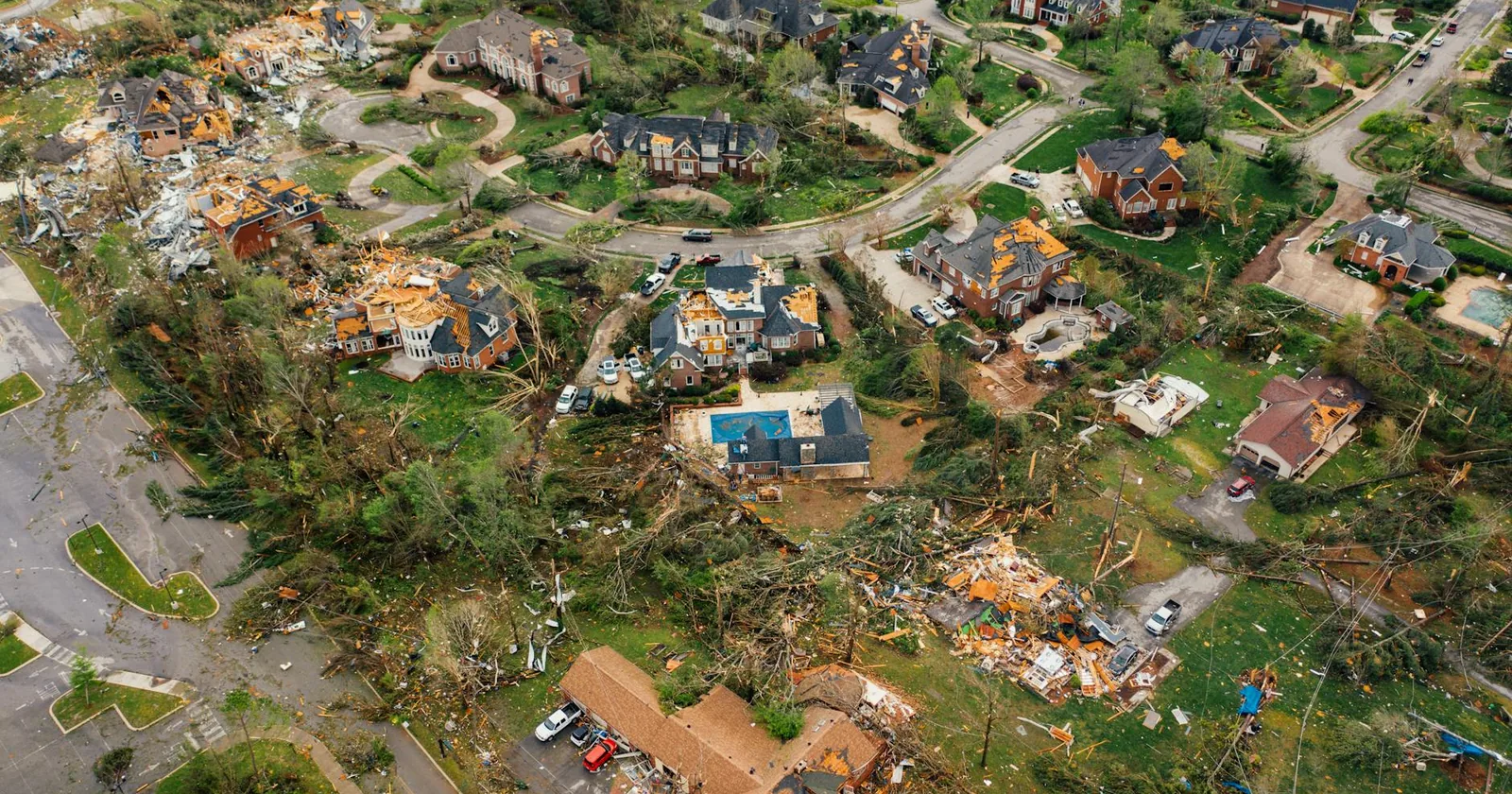
A hurricane is not just a wind event. It is a combination of sustained pressure on your roof, wind-driven rain forcing water into every seam of your home, salt spray on coastal services, and the lightning strikes that often ride along the leading edge of the storm. For your electrical system, that combination is uniquely punishing. Wires get pulled. Service masts get bent. Panels get soaked. Surge spikes during landfall can fry every appliance still plugged in.
If you live along the Gulf or Atlantic coast (or anywhere a remnant tropical system can reach), treating storm season the same way you treat a routine thunderstorm is a mistake. This guide walks through the full electrical lifecycle of a major windstorm: hardening before the season, what to do during landfall, and the careful inspection sequence that has to happen before you let utility power flow back into a damaged home.
Before Hurricane Season: Hardening Your Service
The work that actually keeps your electrical system intact happens in late spring, not the day the cone of uncertainty appears on television. Start with a visual inspection of the service mast and weatherhead on the exterior of your home. The mast is the conduit that carries utility power down from the overhead drop, and a loose or corroded mast is one of the most common storm-driven failures. If you see rust, cracking sealant, or the mast wiggling when you press it, schedule a pre-season visit with a licensed electrician. Repairing a mast is a permitted job and almost always cheaper to do before the storm than after.
Next, look at the electrical panel itself. Panels mounted on exterior walls (common in older Florida and Gulf Coast homes) are especially vulnerable to wind-driven rain. Confirm that the deadfront cover seals tightly, that no knockouts are open to the weather, and that there is no rust inside the cabinet. A whole-house surge protective device (SPD) installed at the panel is one of the highest-value upgrades you can make: a single nearby lightning strike can put thousands of volts onto your service for milliseconds, and an SPD diverts that energy to ground before it reaches your electronics.
While you are thinking about the panel, locate (and test) your main disconnect. After a flood, this is the breaker you will throw to isolate your home from utility power before any inspection happens. Make sure the handle moves freely and that any household member who might be alone during the storm knows where it is.
Finally, photograph your panel, your outdoor disconnect, your meter base, and any outdoor equipment like AC condensers and EV chargers. Date-stamped photos make insurance claims after the storm radically easier.
During the Storm: Generators, Surges, and What to Unplug
Once the watch becomes a warning, your electrical priorities shift from prevention to protection. As the outer bands arrive, unplug anything you cannot afford to lose: televisions, desktops, gaming consoles, microwaves, and especially anything with a circuit board. A whole-house SPD reduces the risk dramatically but does not eliminate it, and a plug pulled from the wall cannot be surged. Leave your refrigerator and freezer plugged in (you want those cold) but consider point-of-use surge strips for anything that stays connected.
If you are running a portable or standby generator, this is where the most preventable injuries happen every season. Three rules are non-negotiable. First, never run a portable generator indoors or in an attached garage, even with the door open. Carbon monoxide from a single generator can kill an entire household in under an hour. Keep the unit at least 20 feet from any window, door, or vent, and point the exhaust away from the house.
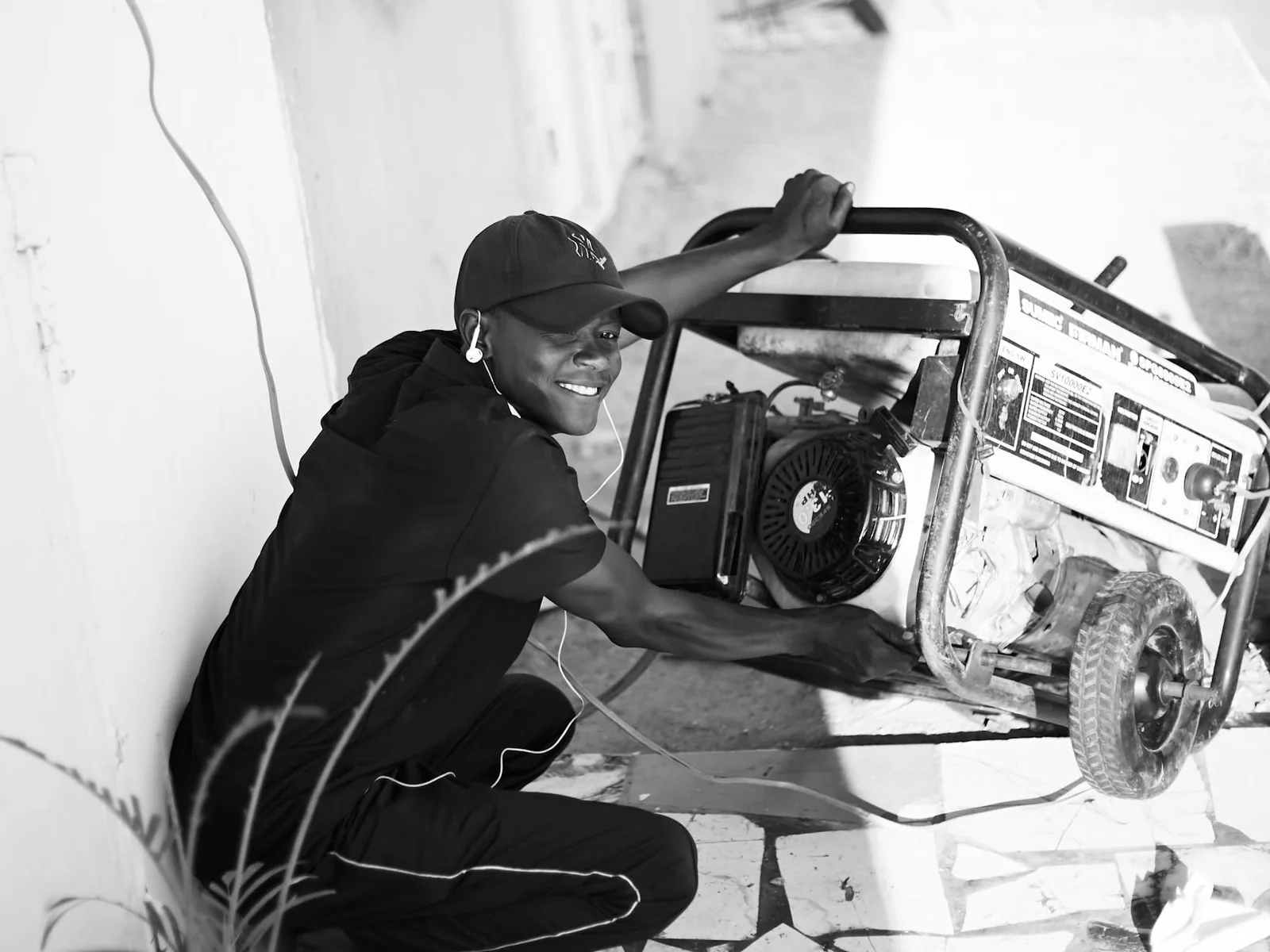
Second, never backfeed your panel by plugging a generator into a wall outlet. Backfeeding pushes power onto the utility lines and can electrocute a lineman working to restore service. If you want generator power to feed your circuits, you need a transfer switch or an interlock kit installed by a licensed electrician. Both physically prevent the generator and the utility from feeding the panel at the same time. This is not a DIY project, and most jurisdictions require a permit. (For an idea of what professional generator wiring runs, see our breakdown of average emergency electrician charges.)
Third, run the generator on a dedicated, grounded extension cord rated for the load, with no daisy chains, and never refuel a hot generator. Wait for it to cool before adding gasoline.
If lightning is active and you do not have whole-house surge protection, consider shutting off your main breaker as the storm passes directly over. A few hours without power costs nothing. A direct lightning strike with the main closed can destroy every motor, board, and bulb in the house.
After Landfall: Downed Lines and Flooded Components
The hours after a hurricane passes are statistically the most dangerous time for electrical injuries. Adrenaline is high, visibility is poor, and people are walking around damaged property without thinking about what is still energized.
Treat every downed wire as live. That includes the wire you “know” is just cable or phone. Crews report repeatedly that downed lines tangled in tree limbs continue to carry full utility voltage long after the storm. Stay at least 35 feet away, keep children and pets back, and call the utility’s emergency number (not 911 unless someone is in contact with the wire). Never drive over a downed line, and if a line falls on your vehicle while you are inside, stay in the vehicle and call for help unless fire forces you out.
Do not energize a flooded electrical system. If water reached your outlets, switches, panel, or any major appliance, the entire affected portion needs to be inspected before utility power comes back. Saltwater is especially destructive because the salt residue remains conductive long after the water dries, creating tracking faults inside outlets and breakers that can spark days or weeks later. Submerged breakers, GFCIs, AFCIs, and most appliances with electronic controls must be replaced, not dried out. The NEC and most manufacturers are explicit on this point.
If you smell burning plastic, hear buzzing from any outlet or panel, or see any scorching, do not investigate. Cut your main disconnect (if it is safe to reach without standing in water) and call an emergency electrician. If you are unsure whether a situation rises to that level, the difference between an emergency call and a routine appointment is worth knowing in advance.
The Inspection Sequence Before Reconnection
In most municipalities, if your service equipment was damaged or your home was flooded, the utility will not reconnect power until a licensed electrician inspects the system and a local building inspector signs off. The standard sequence is:
- Main disconnect off. Verified by the electrician before any other work.
- Service mast, weatherhead, and meter base inspected. Damaged components are replaced; bent masts are re-plumbed.
- Panel opened and inspected for water marks, corrosion, and arc damage. Breakers that were submerged are replaced.
- Branch circuits tested for ground faults, opens, and damaged wiring inside walls that took water.
- Permit pulled and a re-energization sticker placed on the meter for the utility to act on.
This process can take a day for a lightly damaged home and a week or more for a flooded one. Resist the temptation to bypass any step. (Before hiring anyone, walk through the basic questions every homeowner should ask an emergency electrician. Storm season attracts both excellent contractors and out-of-state opportunists working without local licenses.)
The Bottom Line
Hurricane electrical safety is a season-long project, not a 48-hour scramble. Inspect and harden your service before June, plan your generator use around a transfer switch and outdoor placement, unplug aggressively as the storm approaches, treat every downed line as energized, and never accept utility reconnection on a flood-damaged system without a licensed inspection. Most of the catastrophic electrical injuries and fires that follow a major storm trace back to a step on this list being skipped. Done in order, they protect your home, your wallet, and most importantly the people inside it.
Further reading (sources)
- National Fire Protection Association on maintaining emergency power supply systems through hurricane season
- Centers for Disease Control and Prevention for lightning safety guidelines
- The New York Times Wirecutter with hurricane preparedness supplies and strategies for 2026
- Manitoba Hydro on post-flood electrical safety
- KWQC for keeping a home safe before, during, and after storms
- Consumer Reports with hidden home dangers worth fixing
- The New York Times on why a weather radio belongs in every emergency kit